
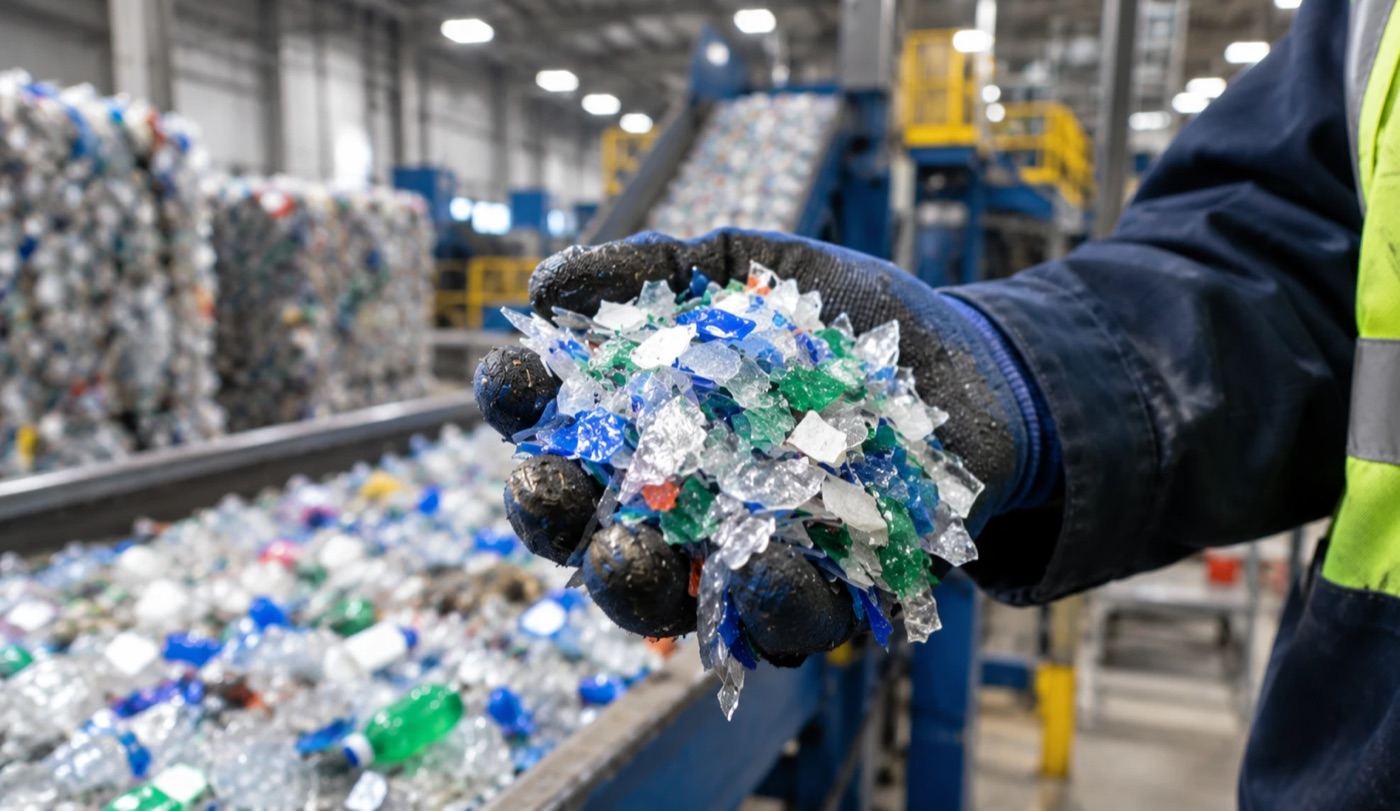
Extended Producer Responsibility (EPR) is reshaping how Canadian organizations think about the products they buy, and spill containment is no exception.
What EPR Actually Means
Extended Producer Responsibility shifts the cost and responsibility for a product's end-of-life away from municipalities and onto the businesses that make and sell it. Instead of local governments footing the bill for collection and recycling, producers fund and often manage the system directly, typically through a Producer Responsibility Organization (PRO) they join and pay into.
Where Canada Stands in 2026
Canada has been moving toward EPR since the Canadian Council of Ministers of the Environment's 2009 action plan, and the pace has picked up considerably over the last two years. Alberta's transition began in April 2025, with a second phase following in October 2026. Ontario is targeting full implementation of its Blue Box Regulations by 2026, shifting packaging and paper recycling entirely onto producers. Saskatchewan's SK Recycles program started its phased transition in December 2024, with completion expected by the end of 2027. New Brunswick became the first Atlantic province to complete its EPR transition in November 2024, and Manitoba, Nova Scotia and Yukon all have programs moving through development with 2025 and 2026 launch windows. Only a handful of provinces and territories, mostly in Atlantic and Northern Canada, have yet to legislate a program.
Eco-Modulation: The Financial Nudge
Most EPR programs are funded through eco-fees built into the cost of covered products, and a growing number are layering in eco-modulation: adjusting those fees up or down based on how recyclable, reusable or recycled-content a product actually is. Products built from recovered materials, or designed to be recycled again at end of life, typically carry lower fees than those that aren't. It's a direct financial incentive to build with recycled content rather than virgin material.
What It Means for Spill Control Products
Spill control products haven't been named in an EPR mandate yet, but the underlying shift is worth watching for anyone who specifies spill kits, absorbent booms, absorbent socks or containment booms as part of a regular procurement cycle. As EPR normalizes questions about recycled content and end-of-life planning across packaging, batteries and electronics, those same questions are increasingly showing up in RFPs and vendor reviews for other product categories, including spill products. A spill kit built from recovered polypropylene, or an absorbent boom, containment boom or one of the oil absorbent socks used for machine leaks, fits naturally into a procurement policy that already leans toward recovered-content purchasing under Buy Canadian or ESG criteria, even without a formal mandate requiring it.
For procurement and EHS teams managing spill socks, spill booms and other spill stop equipment, the practical takeaway is simple: EPR is changing what "responsible sourcing" means across almost every product category in Canada. It's worth applying the same lens to spill control products as to packaging and electronics, whether or not your specific product line is covered yet.